Product and experience design.
For products, platforms and websites that have to be understood by the people who use them, inside the organization and outside it. We design from the strategy down to the interface a technician would use in the field.
What it covers.
- 01Product strategy: what the product is for, for whom, and what it will not do
- 02Information architecture: how the thing is organized so that it can be found and understood
- 03Interface and experience design, from the first flow to the last state
- 04Prototyping that puts something usable in front of the people it is for, early
- 05Responsive layouts and accessibility as design decisions, not a pass at the end
- 06Design systems that scale past the people who wrote them
- 07Public websites and digital platforms, designed and built as one piece of work
How it is delivered.
Calibration.
We establish who the product is for, what they are trying to do and where the current one fails them, and we rank what to design by the difference it makes to that. The plan fixes the scope of the first release.
Build.
Architecture, flows, interface and prototype in that order, tested with real users, then built: the designers and the engineers are the same team, so what was designed is what ships.
Partnership.
A product in use teaches you what to change. We read how it is used, adapt it, and extend the design system so the next piece looks and behaves like the last.
What you receive.
- The product strategy and the information architecture, written down
- The designs, the prototype and the design system, in files you own
- The built interface, accessible and responsive, with its source
- The standards that let your own people extend it
What it looks like in practice.
The public website written for one reader
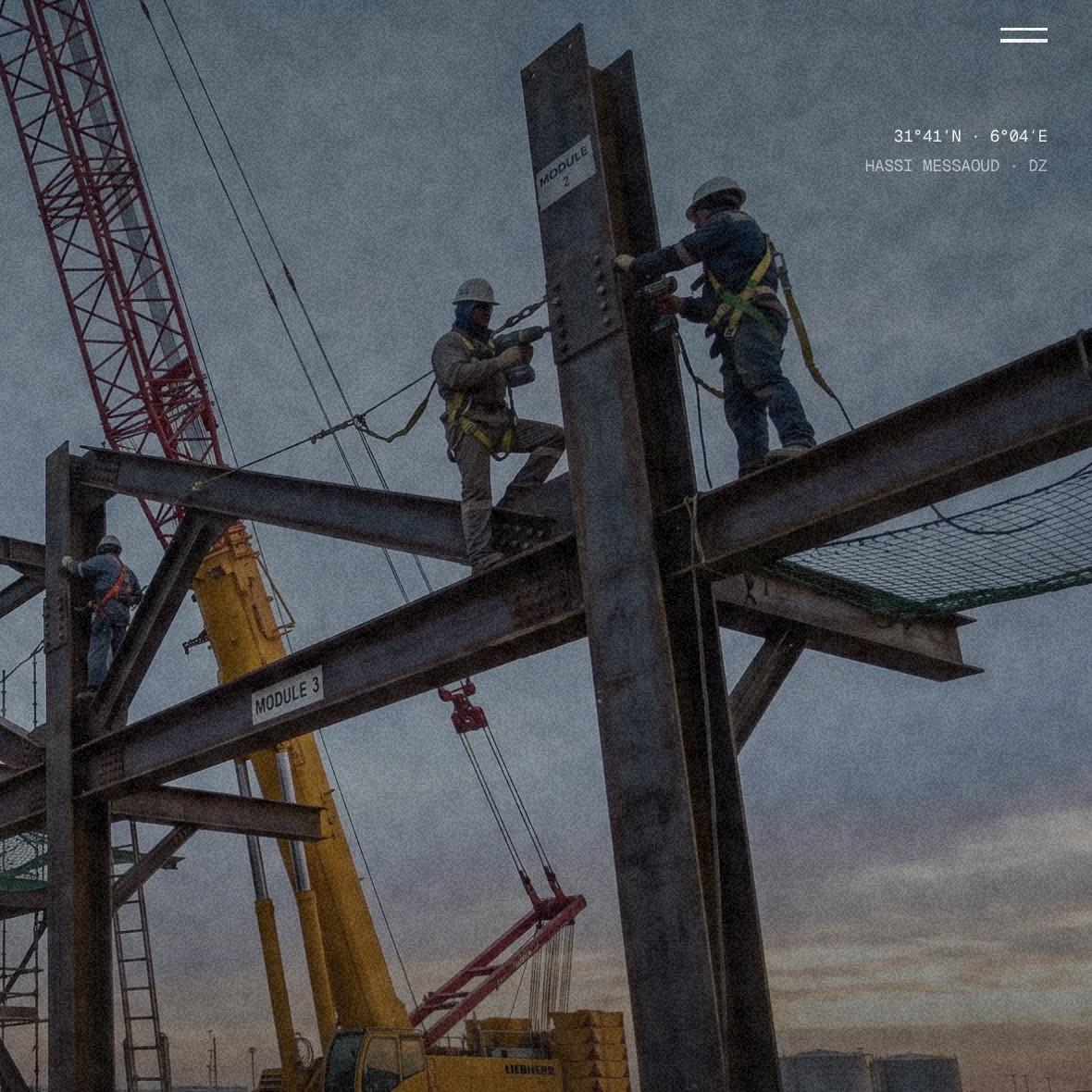
A site built around the one person it has to convince — a procurement lead, a client, a candidate — and what they need to see to decide. The ABP Continental site is this pattern, delivered.
The field interface
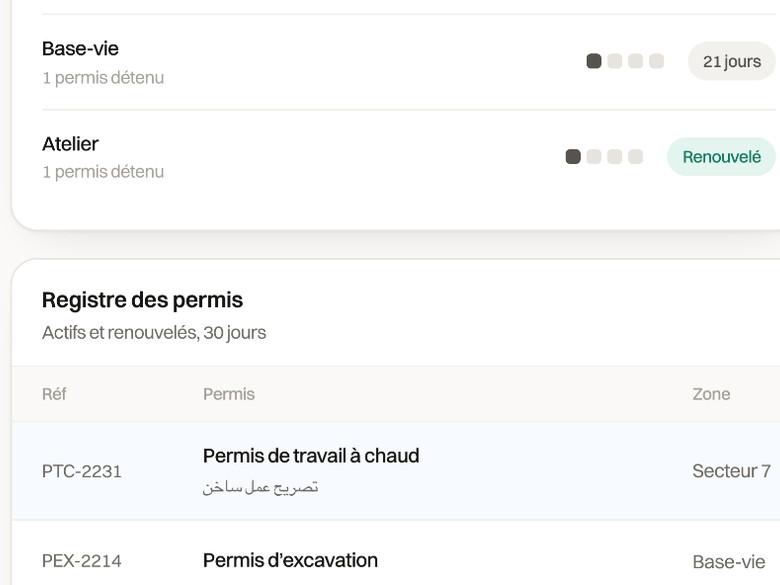
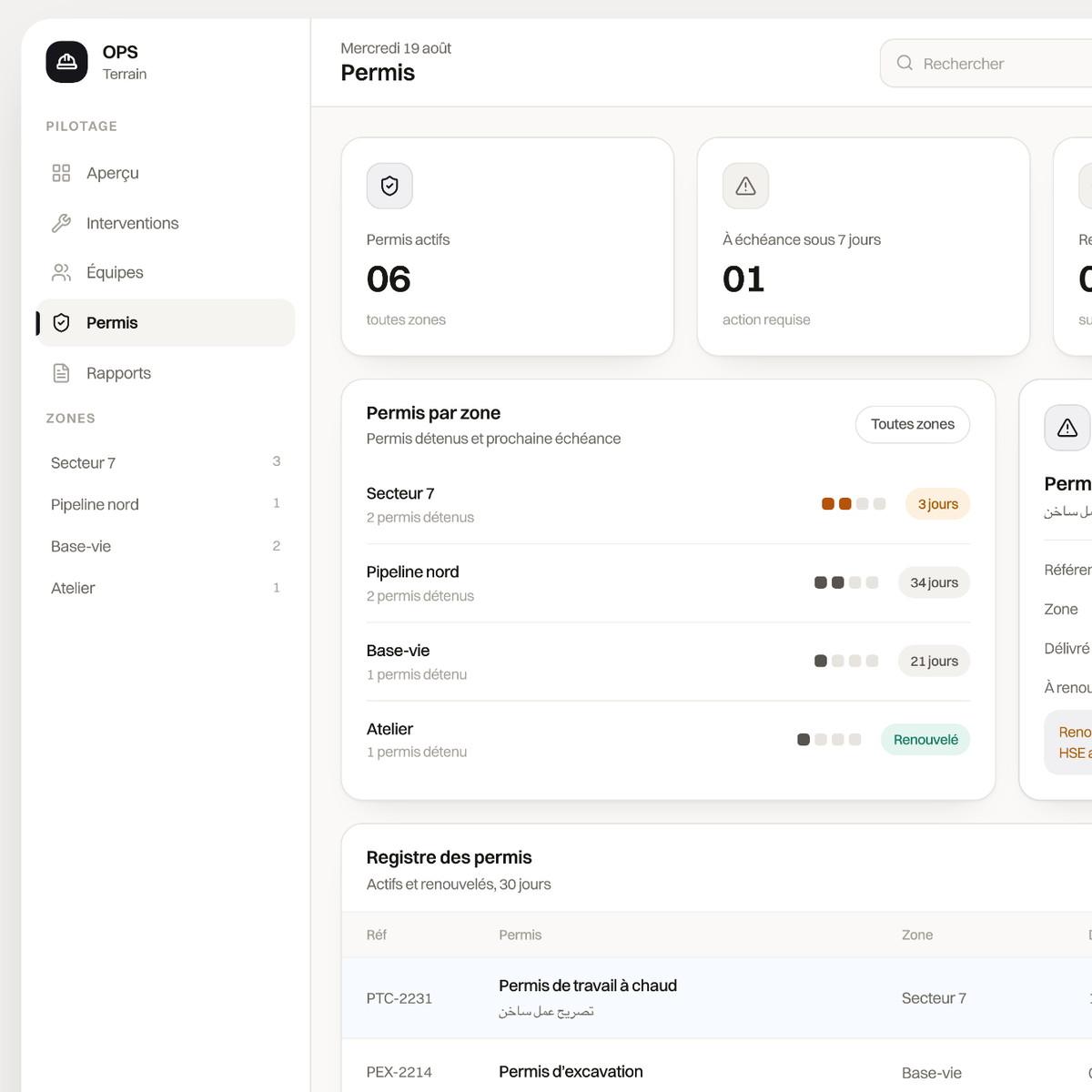
Screens designed for a technician with gloves, bright sun and no signal: few taps, large targets, the state always visible. OPS is designed this way.
The design system
The tokens, components and rules that make the third screen as considered as the first, written so a team that was not in the room can follow them.
The shape of the work this firm builds. Where a pattern names a project, that project is on this site with its own state; no other deployment is claimed.

Questions about this service.
Yes. Design and engineering are the same team under one point of accountability, so there is no handover where the design is simplified to fit what the builders understood. The site you are reading was designed and built that way.
Both are design decisions taken at the start, not a pass at the end. Layouts are designed for a phone, a tablet and a desk at once, and every interface is built to be used with a keyboard and a screen reader.
Yes. Where an identity exists, the design system is built on it. Where it does not hold together yet, that is the brand strategy and identity service, and Calibration says which you need.
Still have a question?
REQUEST A QUOTATIONTell us what is not working yet.
A quotation request takes a service, a scope and a timeline. A Calibration takes a conversation. Either way a person reads it.