/01
Agentic AI and automation.
AI agents, document intelligence, workflow automation, approval processes and operational alerts — with human oversight where a decision carries weight.
How the organization runs: the systems that carry the work, the data they share and the automation that takes the repetition out of it.
Three of the five capabilities belong here. Enterprise systems and integration establishes one reliable source of operational data; custom software development builds the platforms and field tools the operation needs around how it actually works; agentic AI and automation takes the repetitive work off people while leaving every consequential decision with a person. They are delivered in that order when the foundation is missing, and together when it is there.
A workflow pattern: documents and field reports come in, an agent reads them, findings, a proposed action and alerts come out, a person decides anything that carries weight, and every step is recorded.
/01
AI agents, document intelligence, workflow automation, approval processes and operational alerts — with human oversight where a decision carries weight.
/02
Internal platforms, executive dashboards, client portals, workflow applications, field tools and reporting systems, designed around how the organization actually operates.
/03
Connected operational environments that integrate departments, consolidate information, modernize legacy workflows and establish one reliable source of operational data.
Where the work actually is.
Design, engineering and automation as one program.
Continuity after launch.
A quotation request takes a service, a scope and a timeline. A Calibration takes a conversation. Either way a person reads it.
With a Calibration: a fixed-scope assessment of the operation, its systems and its data, which produces a written plan ranked by operational impact. It says whether the first phase is integration, a system or automation, and why.
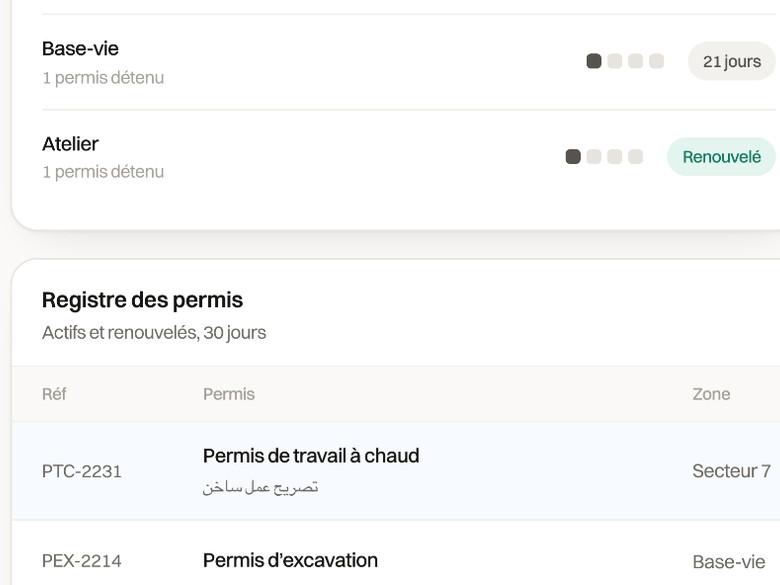
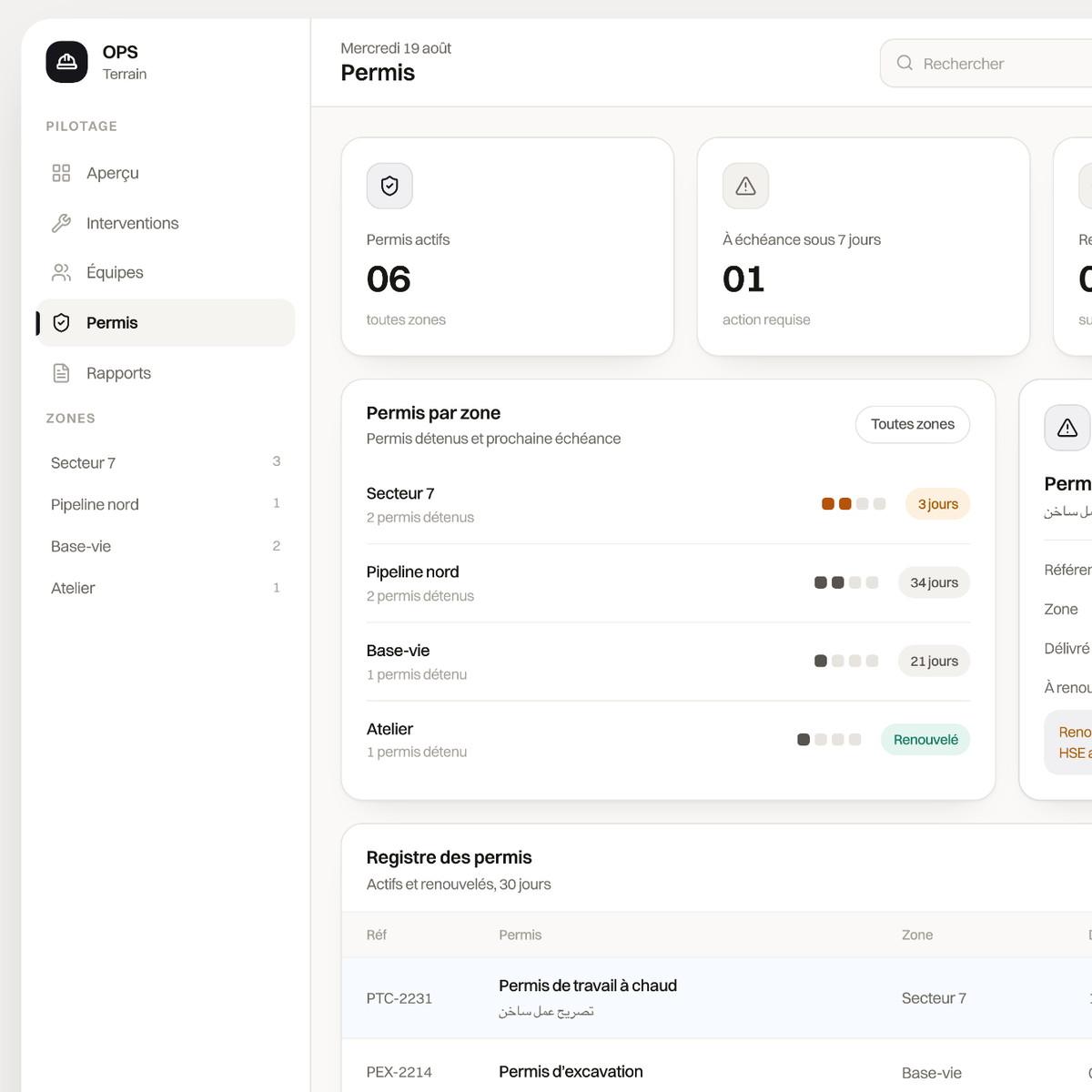
Inside the organization that owns it, by design. OPS, the field operations product in development, is built to be self-hosted — one server, one database per organization — and the same principle governs client systems. Data residency and access are written into the scope.
Partnership: support for the system in use, monitoring and correction, and adaptation as the organization changes. The source, the documentation and the operational knowledge are yours from the handover.