Agentic AI and automation.
For operations where the work is repetitive, the documents are many and the decisions still have to be someone’s. We build systems that read, route, draft and propose, and that hand anything consequential to a person with the trail that produced it.
What it covers.
- 01AI agents that read documents, extract what matters and prepare the next step
- 02Document intelligence for contracts, tenders, permits, reports and correspondence
- 03Workflow automation across the tools already in use: email, spreadsheets, ERP, field devices
- 04Approval processes where a person decides and the system keeps the record
- 05Operational alerts raised from the organization’s own data, not from a dashboard someone has to watch
- 06Oversight design: which decisions an agent may take, which it may only propose, and what a person is shown
How it is delivered.
Calibration.
We map where the hours go and where the mistakes come from, and we rank the candidate automations by operational impact and by how much judgement each one carries. The plan says which steps stay with a person, in writing.
Build.
The system is built in controlled pieces against your real documents and your real exceptions, integrated with what already runs, and tested with the people who will approve its proposals. Every automated step writes its own trail.
Partnership.
Agents drift as documents and rules change. We monitor what the system proposed against what people decided, correct it, and extend it as the operation changes.
What you receive.
- The working system, deployed where your data is allowed to live
- Its source, its prompts, its rules and its documentation
- A written oversight model: what decides, what proposes, who approves
- The audit trail design, so every automated action can be explained afterwards
What it looks like in practice.
Contract and document review
A document arrives; the system reads it, surfaces the clauses, dates and obligations that matter, proposes the action, and a person decides. Contraxis, the product in development, is this pattern built as a product.
Approval routing
A request is checked against the rules, drafted into the right form, sent to the right person with everything they need to decide, and recorded with their decision.
Operational alerts
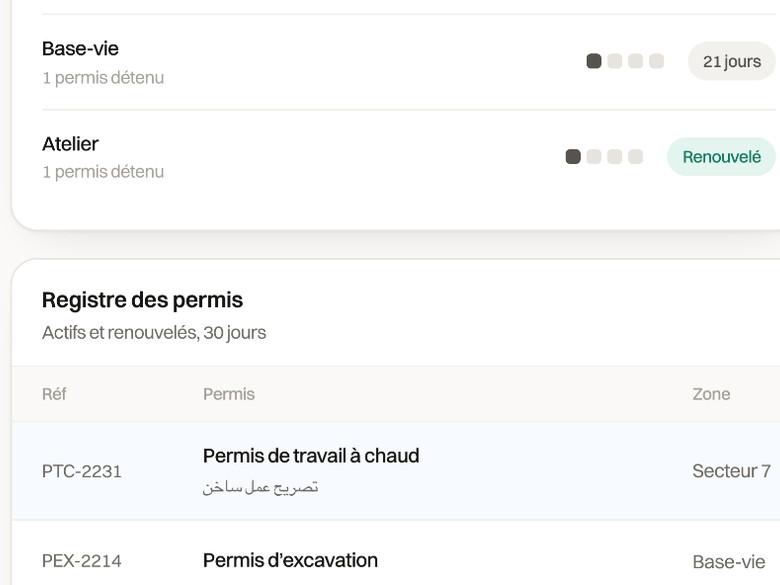
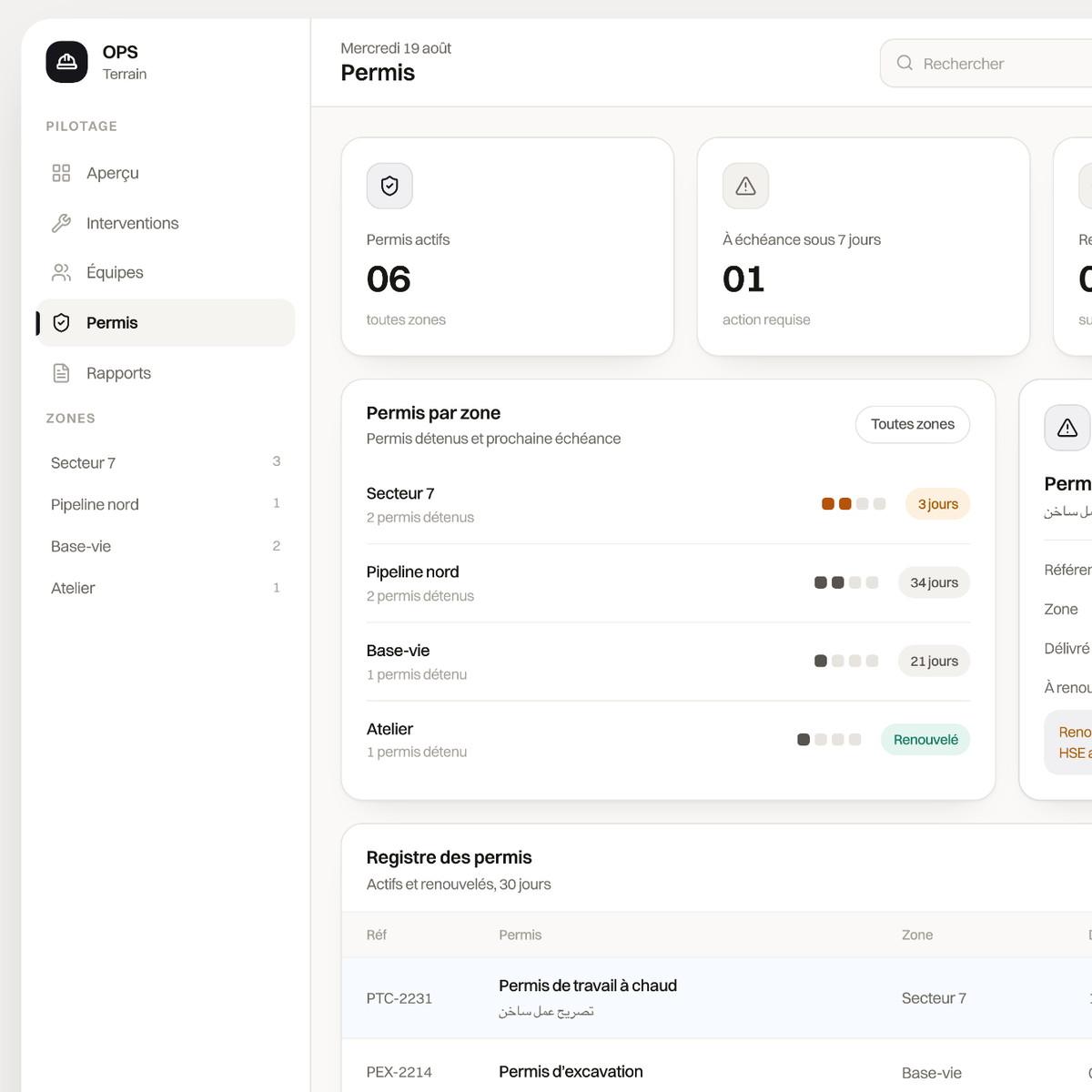
A permit about to lapse, a report not filed, a threshold crossed: raised from the data itself, to the person who can act, with the context attached.
The shape of the work this firm builds. Where a pattern names a project, that project is on this site with its own state; no other deployment is claimed.
Questions about this service.
Automation drafts, routes, checks and proposes. Where a decision carries weight — money, safety, a contractual commitment — the system presents it to a person together with the trail that produced it, and that person decides. Which decisions those are is agreed explicitly during system design and written into the scope.
Where you allow it to. Deployment is designed to keep operational data inside the organization that owns it; which models run where, and what leaves your environment, is agreed during Calibration and written into the scope, not decided afterwards.
It will be, sometimes, which is why anything consequential is a proposal to a person and why every proposal carries its evidence. Partnership exists to read what the system proposed against what people decided, and to correct it.
Still have a question?
REQUEST A QUOTATIONTell us what is not working yet.
A quotation request takes a service, a scope and a timeline. A Calibration takes a conversation. Either way a person reads it.