Enterprise systems and integration.
For organizations whose departments each hold a piece of the truth. We connect the systems, consolidate the information and establish one reliable source of operational data that the rest of the work can stand on.
What it covers.
- 01Integration between the systems already running: ERP, accounting, HR, CRM, field and maintenance tools
- 02Data consolidation into one source of operational truth, with its owner and its rules
- 03Legacy modernization: replacing what has to go, wrapping what can stay
- 04Connected workflows that cross departmental lines without re-keying
- 05Migration planned and executed so that nothing is lost and nobody stops working
- 06The data foundation that any later automation or AI depends on
How it is delivered.
Calibration.
We map what connects to what today, in which direction, and where the same fact is held twice. The plan names the systems, the source of truth for each kind of data, and the order in which the connections are built.
Build.
Connections are built one at a time and verified against the live data before the next, with the people who own each system. Legacy pieces are replaced or wrapped as the plan says, and the record of what moved is kept.
Partnership.
Integrations break when the systems at either end change. We monitor them, correct them and extend them as new systems arrive and old ones leave.
What you receive.
- The integration layer, documented connection by connection
- A data model that names the source of truth for every kind of record
- Migration records: what moved, from where, and how it was verified
- The operational runbook for the people who will keep it running
What it looks like in practice.
One source of operational data
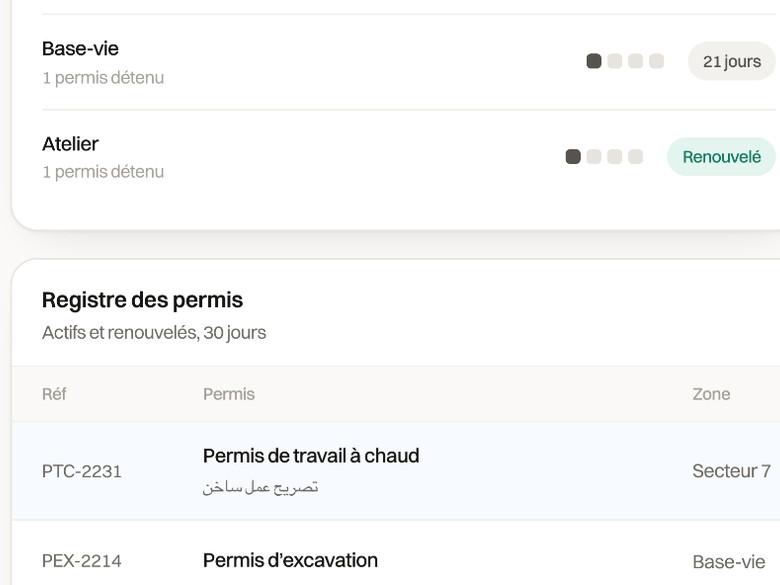
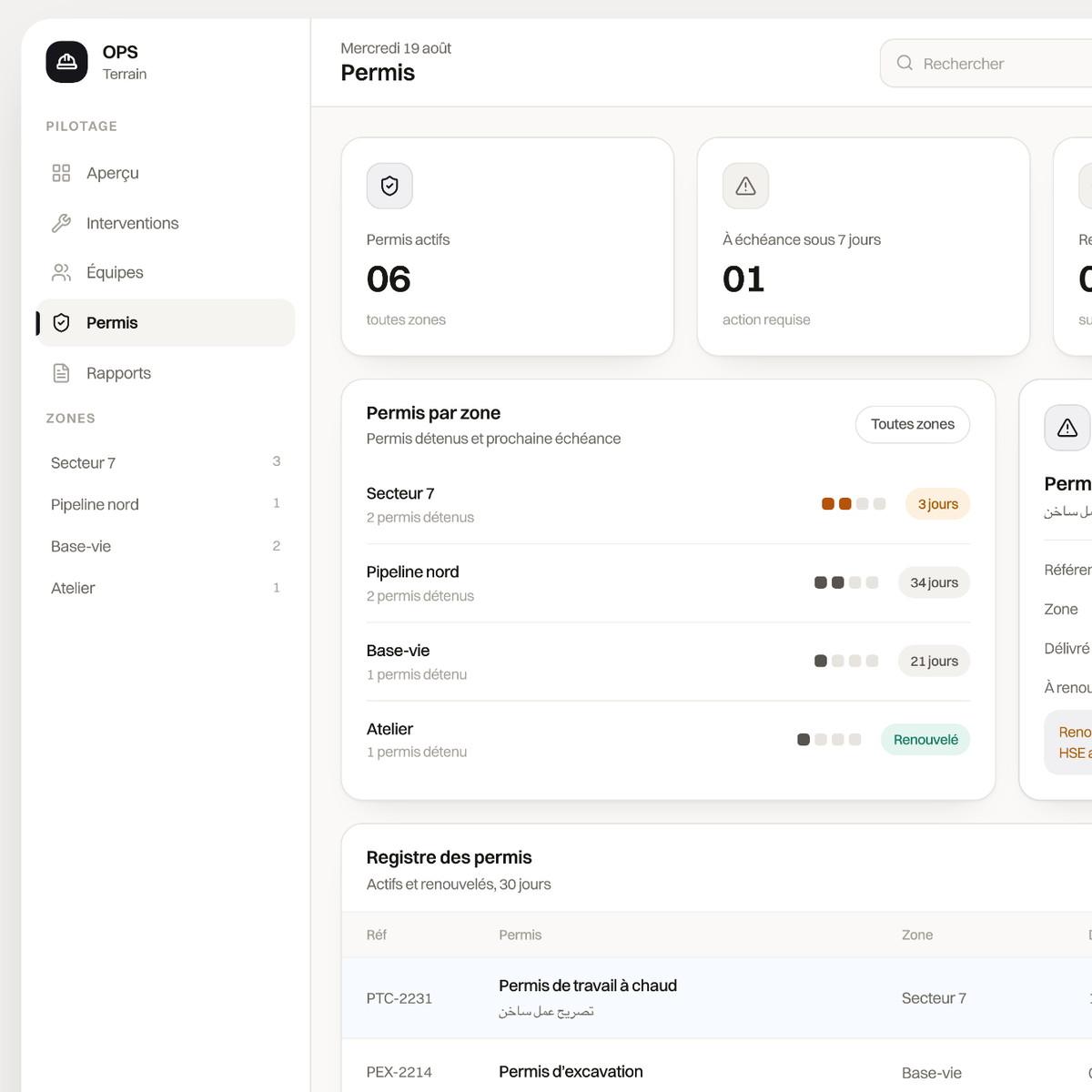
The register the field writes to becomes the source the office reads from, so the daily report, the permit count and the equipment status are one set of facts rather than three.
The connected approval
A request raised in one system is checked against data in a second and recorded in a third, without anyone copying a reference number between them.
The modernized core
The legacy system nobody can replace this year is wrapped behind a stable interface, so new tools can be built against it now and it can be replaced later without touching them.
The shape of the work this firm builds. Where a pattern names a project, that project is on this site with its own state; no other deployment is claimed.
Questions about this service.
Integration is one of the five capabilities rather than an afterthought. What connects to what, and in which direction, is mapped during Calibration before anything is built, and the plan says which systems stay, which are wrapped and which are replaced.
No. Migrations are planned in steps that each leave the operation running, with the old and the new reconciled before the old is switched off. The order of those steps is part of the written plan.
Usually, yes. An agent that reads bad data proposes bad actions. Where the data foundation is not there, Calibration says so and the first phase builds it.
Still have a question?
REQUEST A QUOTATIONTell us what is not working yet.
A quotation request takes a service, a scope and a timeline. A Calibration takes a conversation. Either way a person reads it.